Wondering what to eat after dental bonding?
Discover the 48-hour ‘White Diet’ and long-term aftercare tips from VoilaDent in Istanbul to protect your smile!
The Bonding Diet: What to Eat (and Avoid) for a Flawless Smile
Practical tips to protect, maintain, and extend the lifespan of your newly bonded teeth.
Congratulations! You have just stepped out of the dental chair after receiving your dental bonding treatment. In less than two hours, those minor chips, gaps, or uneven edges have completely vanished, and you are ready to show your radiant new smile to the world. It is an amazing feeling of instant confidence.
However, once the initial excitement settles, a very practical question always comes up: “What can I actually eat and drink now without ruining my new teeth?”
While composite resin is incredibly strong and durable, it does require a little bit of mindful care to stay bright and flawless over the years. To help you protect your investment, we have put together the ultimate Bonding Diet Guide detailing exactly what to enjoy and what to avoid for a long-lasting, stain-free smile
The Critical First 48 Hours: The “White Diet”
The first 48 hours after your dental bonding procedure are the most important. Even though the composite material is hardened instantly with a UV light in the clinic, it remains slightly porous and highly vulnerable to staining for the first two days while it fully cures.
During this short window, we highly recommend adopting the “White Diet”. If a food or beverage can stain a white t-shirt, it can stain your new bonding.
- What to Avoid: Black coffee, dark teas, red wine, soy sauce, curry, tomato sauce, berries, and dark colas. Smoking should also be strictly avoided, as nicotine easily discolors the fresh resin.
- What to Enjoy: White foods like milk, water, chicken, white fish, rice, pasta with white cream sauce, potatoes, and bananas.
The Pro-Tip Straw Secret: If you absolutely cannot live without your morning iced coffee or tea during the first few days, always use a straw! Placing the straw past your front teeth minimizes contact between the liquid and the bonded resin, keeping your smile safe.
Long-Term Care: Protecting Against Chips
Once the first 48 hours pass, you can return to your normal eating routine. However, composite resin is not as tough as natural tooth enamel or porcelain veneers. To prevent accidental chipping or cracking over the next 5 to 7 years, try to adjust a few eating habits:
- Don’t Bite Directly Into Hard Foods: Avoid biting directly into hard apples, raw carrots, corn on the cob, or tough crusty bread with your front bonded teeth. Instead, slice them into bite-sized pieces and chew them with your back molars.
- Steer Clear of Non-Food Objects: Never use your teeth as tools. This means no biting your fingernails, chewing on pen caps, opening plastic packaging with your teeth, or crunching on leftover ice cubes.
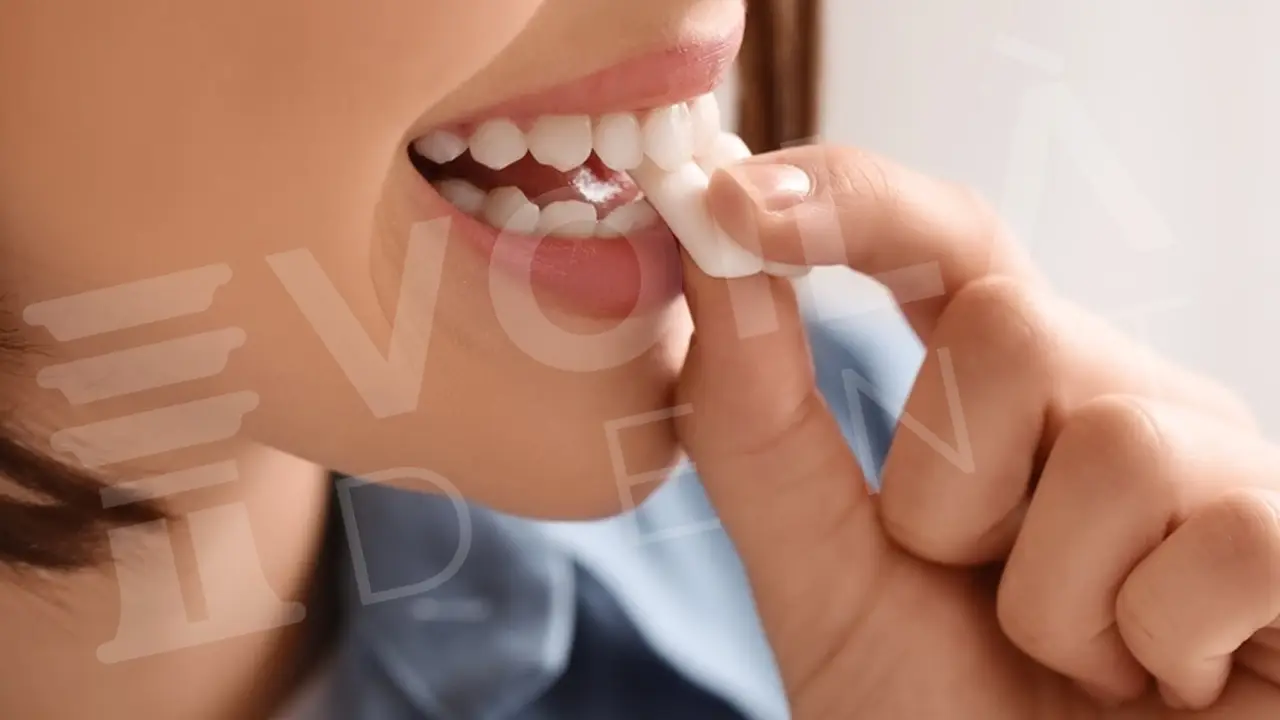
- Be Mindful of Sticky Candies: Excessively sticky or hard candies like taffy, caramels, or hard lozenges can pull on the bonded material or cause structural stress. Enjoy them carefully or choose softer alternatives.
Maintaining the Polish and Shine
To keep the seamless blend between your natural tooth and the resin invisible, routine oral hygiene is key. Brush twice a day with a soft-bristled toothbrush and a non-abrasive toothpaste. Avoid harsh whitening toothpastes, as they contain tiny abrasive particles that can scratch the polished surface of the bonding, making it dull and more prone to absorbing stains later on.
Visiting your local hygienist for regular cleanings twice a year will also ensure that any minor surface stains are professionally polished away, keeping the bonding looking fresh and bright.
Take the First Step with Complete Peace of Mind
Enjoy a Stress-Free Smile Journey with VoilaDent
At VoilaDent in Istanbul, we don’t just focus on the procedure — we care about your long-term satisfaction, comfort, and confidence.
Our patient coordinators provide every guest with a comprehensive and easy-to-follow aftercare guide, ensuring your smile stays beautiful long after you return home.
Ready to Start Your Smile Transformation?
Take the first step today.
- VIP airport transfers and personal service transfers
- Luxury hotel accommodation
- Multilingual personal interpreters
- Seamless medical journey management